

{
“title”: “The Ethical Architecture of Blockchain in Modern Finance”,
“meta_description”: “Blockchain promises transparency but creates new ethical friction. Explore how finance leaders must manage accountability, algorithmic bias, and systemic risk.”,
“tags”: [“blockchain ethics”, “financial technology”, “decentralized finance”, “corporate governance”, “algorithmic accountability”],
“categories”: [“Finance”, “Technology”],
“body”: “
The Illusion of Trustless Systems
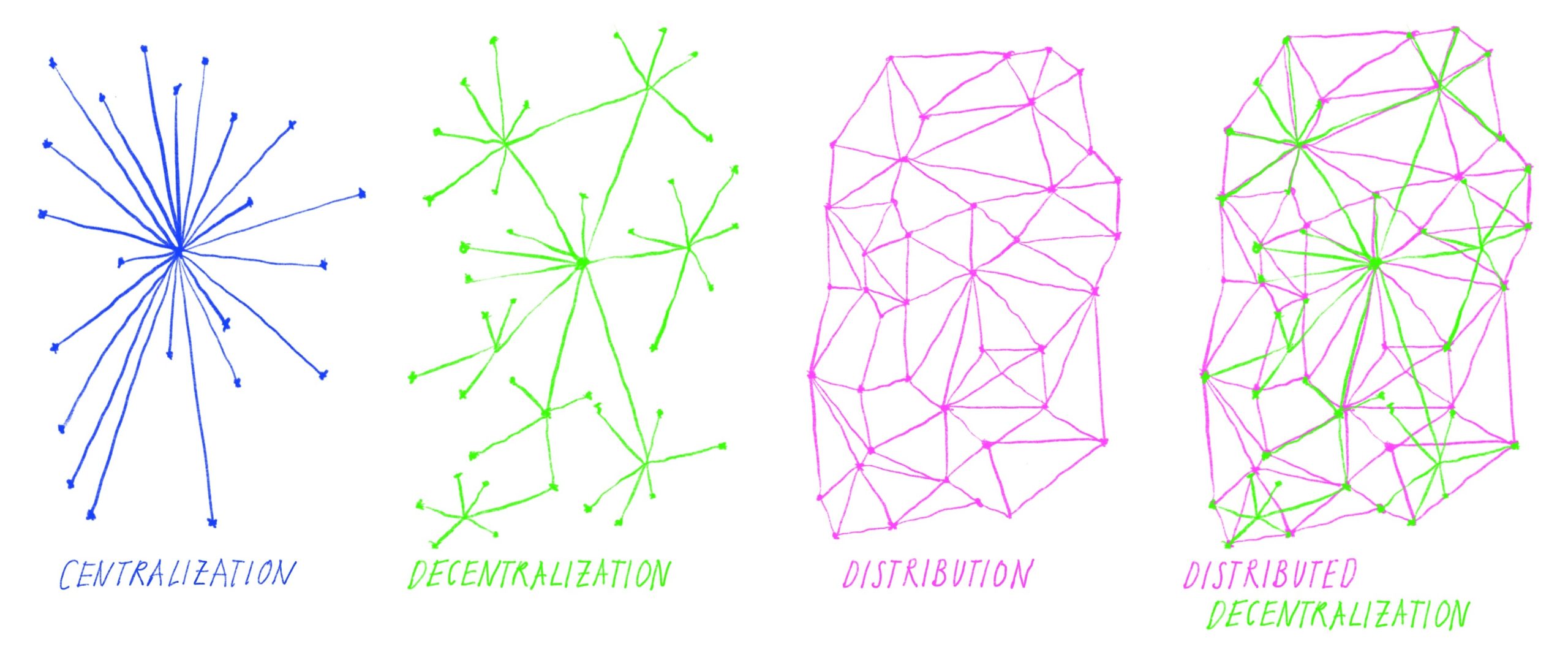
Transparency is the siren song of blockchain technology, yet it often masks a fundamental ethical vacuum. By replacing centralized intermediaries with code, we have not eliminated the need for trust; we have merely shifted it from human institutions to the hands of anonymous protocol developers. For leaders overseeing strategic capital allocation, the decentralized nature of these systems presents a paradox: the more resilient a network becomes to external interference, the more difficult it becomes to remediate systemic failure.
Operational excellence in finance usually demands clear lines of accountability. Blockchain disrupts this through immutability. When a smart contract executes an erroneous trade or triggers a cascade of liquidations, there is no boardroom to petition for a reversal. This permanence necessitates a shift in how firms approach risk management, moving away from reactive damage control toward predictive, audit-first development cycles.
The Accountability Gap in Decentralized Finance
The core promise of decentralized finance (DeFi) is the removal of gatekeepers. However, this democratization carries an ethical weight that many early adopters ignore. Without a centralized entity to verify identity or enforce regulatory compliance, the platform becomes a magnet for illicit capital flows. Leaders must decide whether they are building a neutral utility or an ethical ecosystem. Maintaining the latter requires rigorous decision-making frameworks that evaluate the downstream impact of network participation.
Furthermore, the anonymity inherent in public blockchains complicates standard corporate responsibility. If a firm utilizes a protocol later identified as a conduit for malicious actors, the resulting reputational and legal contagion is immediate. Building robust systems for due diligence is no longer an optional compliance task; it is a prerequisite for long-term viability in the digital asset space.
Algorithmic Bias and Resource Extraction
Technology does not exist in a vacuum, and blockchain protocols are no exception. They carry the biases of their architects. Whether it is through governance mechanisms that favor large token holders over the collective good or code structures that prioritize gas-efficiency over equitable access, these systems create a new form of digital classism. High-performance teams must recognize that decentralization does not inherently guarantee fairness.
Strategic leaders should prioritize leadership that challenges the status quo of protocol design. This means auditing for exclusionary mechanisms and advocating for governance models that distribute power more broadly. If we fail to address these biases at the design stage, we risk entrenching existing financial inequalities under the guise of technological innovation.
Aligning Technology with Institutional Integrity
Integration of blockchain into traditional finance requires a balanced approach. It is not enough to optimize for speed; organizations must optimize for ethical durability. This involves constant monitoring of network participants and an active engagement with the underlying governance tokens of the protocols in use. You cannot remain passive when the software you deploy carries global implications for market stability.
For those looking to deepen their understanding of systemic shifts, the broader BossMind network provides resources on how these technological cycles impact long-term enterprise health. True innovation is found in the ability to balance aggressive growth with a commitment to foundational integrity.
Further Reading
”
}




Leave a Reply